Newsletter Subscribe
Enter your email address below and subscribe to our newsletter


 BySonu
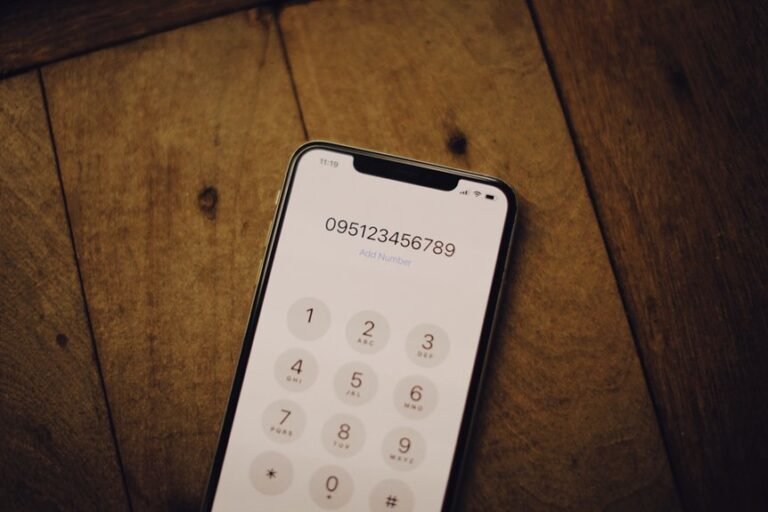
This discussion examines practical steps for handling calls from 213-201-5581 and similar numbers. It considers how to verify legitimacy, filter and route calls, and protect privacy without discarding legitimate communication. The approach favors layered defenses, user control, and mindful permissions. It offers strategies for blocking nuisance calls while preserving autonomy and simple options. The goal is to balance safety with freedom of choice, leaving readers with a concrete path to explore further.
Determining whether 213-201-5581 is spoofed or legitimate involves careful verification of caller details and source indicators. The analysis emphasizes verify caller identity and assess message context, while remaining nonjudgmental. By examining call patterns, timing, and metadata, one can differentiate genuine contact from manipulation. This approach supports autonomy, ensuring informed decisions without surrendering personal freedom to deception. analyze spoof signals.
Block, filter, and route calls to protect privacy involves practical steps that reduce unwanted interruptions while preserving legitimate communication.
The approach supports autonomy by empowering users to set preferences, create block lists, and apply call filtering rules, improving privacy awareness.
In an era of pervasive data collection, individuals can take concrete steps to minimize exposure, reduce spam, and protect personal information. The focus is on practicality and dignity: practice privacy awareness, limit data sharing, and enable strong caller authentication to deter unsolicited contacts.
Coping strategies emphasize mindful permissions, secure accounts, and respectful blocking, preserving autonomy while reducing recurring nuisance.
Establishing resilient defenses and pragmatic routines helps individuals anticipate future issues like persistent nuisance calls and data exposure.
Ongoing defenses include regular privacy audits and clear threat modeling to identify gaps, simulate scenarios, and prioritize fixes.
A freedom-oriented approach emphasizes informed choices, simple privacy controls, and proactive monitoring, enabling autonomous responses without dependence on external intermediaries.
Continuous improvement sustains trust and resilience.
The answer: It is difficult to definitively identify the source of a spoofed 213-201-5581 call. However, one can identify spoofing techniques and attempt to trace caller data through telecom providers and call-record analyses for clues.
Blocking all unknown numbers permanently is not necessary; instead, one should selectively ignore spam filters, assess risks, and use caller ID tools. The approach balances freedom with caution, reducing annoyance while preserving access for legitimate calls.
Verification protocols and caller authentication help distinguish legitimate calls from scams. He/she suggests verifying sender details, cross-checking business numbers, and using official contact channels. It’s a practical, liberty-preserving approach to reduce unwanted interruptions. This feels almost heroic.
The answer: Privacy settings that emphasize call screening and restricted data sharing provide robust privacy protection against robocalls, enabling individuals to control who may contact them while preserving personal freedom and reducing unwanted interruptions.
They should maintain a steady update cadence, reviewing defenses quarterly and updating as needed after new threat intelligence; defense auditing remains ongoing, ensuring measures stay effective while preserving user autonomy and peace of mind.
This article concludes by recognizing that determining whether 213-201-5581 is spoofed or legitimate hinges on cross-checking context, not assumptions. A layered approach—dynamic filtering, trusted routing, and privacy safeguards—empowers users to control exposure without sacrificing legitimate contact. By testing theories about possible spoofing patterns and adapting defenses accordingly, individuals gain insight and confidence. Ultimately, practical, respectful blocking preserves autonomy while maintaining essential lines of communication. Ongoing vigilance, empathy, and clear controls remain essential.