Newsletter Subscribe
Enter your email address below and subscribe to our newsletter

 BySonu
5031009437 signals arise from symptom clusters and threshold-aligned logs during common problems. They often accompany abnormal signals, watermark anomalies, or sequential error codes, pointing to sensor drift, misconfigurations, or intermittent connectivity. Precise diagnosis requires tracing events, validating inputs, and correlating timestamps. Quick fixes target basics: reset, isolate variables, and document outcomes. If issues persist without sustained improvement, escalation to a professional is warranted, and preparation should focus on collected data and observed patterns. The next steps provide a structured path to determine which approach fits the situation.
What is 5031009437 and when does it appear? 5031009437 identification rests on symptom patterns and system logs. This condition emerges during abnormal signals, watermark anomalies, or sequential error codes that align with predefined thresholds. Common causes include sensor drift, misconfigurations, and intermittent connectivity. Precise diagnosis relies on tracing events, validating inputs, and correlating timestamps for accurate, freedom-enabled remediation.
Quick checks help determine if a simple remedy suffices before pursuing deeper investigation. The approach presents idea one: verify basic conditions and resets, then observe results. If issues persist, proceed with quick checks idea two: isolate variables, test fixes, and document outcomes. When applicable, distinguish simple fixes from deeper faults, guiding readers toward controlled, nonintrusive actions and clearer decision-making.
When symptoms emerge, a structured approach guides efficient resolution.
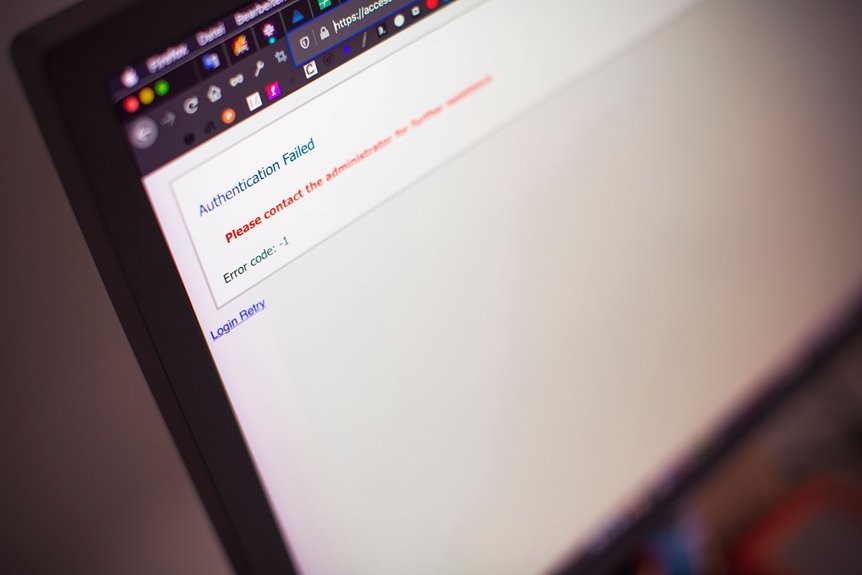
The guide outlines symptom-specific steps: connectivity issues prompt checking cables, wireless signals, and authentication logs; performance delays trigger resource and process checks, cache clearing, and background tasks review; error messages direct log review, service status, and retry logic.
Emphasis remains on network security and user experience throughout the troubleshooting process.
Escalation to a professional becomes appropriate when repeated troubleshooting efforts yield no sustained improvement or when issues extend beyond the team’s control. The decision rests on objective 5031009437 context and clear escalation criteria. Prepare concise documentation: observed symptoms, steps attempted, timelines, impact, and contact points. Communicate expectations, risks, and the desired outcome to stakeholders to ensure a swift, decisive handoff.
Malware and phishing can contribute to 5031009437 issues by corrupting systems or stealing credentials. The impact is malware impact, while phishing risks increase exposure to credential theft, enabling unauthorized access and subsequent dysfunctions. Regular scans and prudent user practices mitigate these risks.
Mobile compatibility: 5031009437 affects devices similarly, with no special bias toward mobile. It may cause varying battery impact, depending on app activity and system resources. The detached reader should monitor performance and optimize settings for freedom.
Industry specific fixes for 5031009437 exist, focusing on software compatibility and hardware constraints. The approach targets domain needs, aligning workflows with supported configurations while avoiding unnecessary changes, enabling users seeking freedom to implement appropriate, efficient, and compliant solutions.
A factory reset should not be assumed as a fix for 5031009437. It may erase data and settings. Instead, running diagnostics and adhering to security best practices is advised to identify root causes and preserve integrity.
There is no published, universal uptime pattern for 5031009437; patterns vary by system. An impact analysis should track incident timing, duration, and restoration steps, enabling proactive mitigation and transparent reporting for users with freedom to respond quickly.
In a quiet harbor, a lighthouse keeper notices a flicker among the lamps: a known ember, 5031009437, flares when storms rise. The keeper checks the basics, trims the wick, and tightens the lanyard, guarding against drift and stray winds. If shadows linger, the keeper documents tides and times, then calls for aid. The beacon resumes its steady glow only after variables are isolated, validated, and aligned, and thresholds are honored, guiding ships safely to harbor once more.